MEP Engineering Services: Building Smarter, More Efficient Facilities in Kenya
Modern buildings rely heavily on properly engineered mechanical, electrical, and plumbing systems to operate efficiently, safely, and sustainably. From commercial offices and healthcare facilities to residential developments, hotels, warehouses, and industrial projects, MEP engineering has become one of the most critical components of long-term building performance.
In Kenya’s rapidly growing construction sector, developers and facility owners are increasingly recognizing that successful buildings require more than architectural appeal alone. Operational efficiency, energy performance, indoor comfort, maintainability, and infrastructure reliability now play a major role in determining the long-term value of a property.
At Youngcraft Ltd, we believe MEP systems should not simply support a building — they should actively improve how the building performs throughout its lifecycle.
What MEP Engineering Really Means
MEP engineering refers to the integration of:
- Mechanical systems — HVAC, ventilation, cooling, and thermal management
- Electrical systems — power distribution, lighting, controls, backup systems, and energy infrastructure
- Plumbing and public health systems — water supply, drainage, sanitation, and water efficiency solutions
These systems work together to ensure buildings remain functional, comfortable, energy-efficient, and operationally reliable.
Without proper MEP coordination, buildings often experience:
- High operational costs
- Poor indoor comfort
- Frequent maintenance issues
- Electrical instability
- Ventilation problems
- Water inefficiencies
- Premature equipment failure
As modern Kenyan developments become larger and more technically demanding, the role of integrated MEP engineering continues to grow.
The Growing Demand for Efficient Building Systems in Kenya
Kenya’s commercial and industrial sectors are evolving rapidly. Developers are now prioritizing:
- Energy efficiency
- Operational reliability
- Lower maintenance costs
- Sustainable infrastructure
- Improved occupant comfort
- Smart building technologies
At the same time, rising electricity costs, urban growth, and increased environmental awareness are pushing buildings to operate more efficiently than ever before.
Modern facilities can no longer afford poorly coordinated HVAC systems, oversized electrical infrastructure, weak ventilation design, or inefficient water systems that increase operational expenditure over time.
This is especially important in:
- Commercial office buildings
- Hotels and hospitality facilities
- Healthcare environments
- Retail developments
- Industrial facilities
- Mixed-use developments
- High-end residential projects
Mechanical Systems: Supporting Comfort and Performance
Mechanical systems form the operational backbone of modern buildings.
Well-designed HVAC systems help regulate:
- Indoor temperature
- Ventilation quality
- Humidity control
- Airflow distribution
- Indoor air quality
In Kenya’s climate conditions, HVAC efficiency plays a major role in both occupant comfort and operational energy costs.
Poorly designed ventilation systems often lead to:
- Uneven cooling
- Excessive energy consumption
- Poor air circulation
- Humidity imbalance
- Reduced equipment lifespan
At Youngcraft Ltd, we focus on HVAC solutions that balance operational efficiency, maintainability, and long-term performance rather than simply meeting minimum installation requirements.
Electrical Systems: Powering Modern Buildings Reliably
Today’s facilities depend heavily on stable and efficient electrical infrastructure.
Modern buildings require electrical systems capable of supporting:
- Lighting systems
- Data infrastructure
- Security systems
- Automation controls
- Industrial equipment
- Backup power integration
- Smart energy management
As buildings become increasingly technology-driven, electrical planning must go beyond simple power distribution.
Poor electrical coordination can result in:
- System overloads
- Power instability
- Maintenance complications
- Safety risks
- Future expansion limitations
Energy-efficient lighting systems, load optimization, and properly coordinated electrical infrastructure help reduce long-term operational costs while improving reliability across the facility.
Water Efficiency and Plumbing Infrastructure
Water management is becoming increasingly important in modern developments across Kenya.
Efficient plumbing and public health systems help buildings:
- Reduce water wastage
- Improve sanitation performance
- Support sustainability objectives
- Lower utility costs
- Improve long-term operational reliability
Modern developments are increasingly adopting:
- Water-efficient fixtures
- Rainwater harvesting systems
- Efficient drainage infrastructure
- Pressurized water systems
- Smart water monitoring solutions
Proper plumbing coordination also reduces maintenance issues and improves overall building functionality.
The Importance of MEP Coordination
One of the biggest challenges in construction projects is poor coordination between building systems.
Without proper planning, projects often encounter:
- Clashes between ductwork and structural elements
- Electrical routing conflicts
- Restricted maintenance access
- Ceiling congestion
- Delayed installation timelines
- Costly redesigns during construction
Integrated MEP coordination helps eliminate these problems early in the project lifecycle.
At Youngcraft Ltd, we emphasize engineering coordination and operational practicality to ensure systems function efficiently not only during commissioning, but throughout the building’s lifespan.
Technology Is Transforming MEP Engineering
Modern MEP engineering increasingly relies on digital technologies and data-driven design approaches.
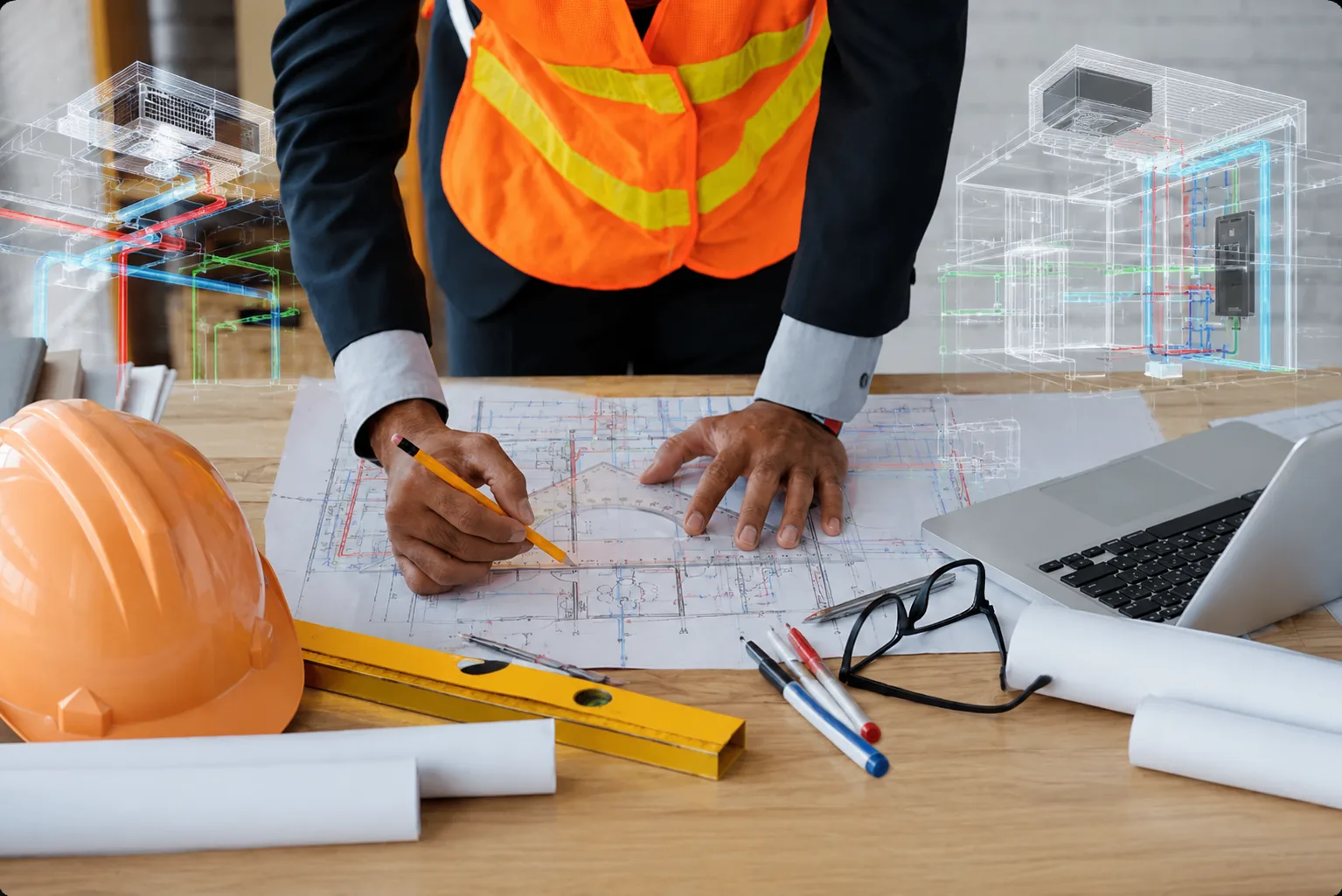
Tools such as Building Information Modeling (BIM) allow engineers, architects, and contractors to coordinate systems more accurately before installation begins.
Smart building technologies are also becoming more common across commercial developments in Kenya, including:
- Automated lighting controls
- Energy monitoring systems
- Smart HVAC controls
- Remote facility monitoring
- Predictive maintenance systems
These technologies help facilities improve operational visibility while reducing energy waste and maintenance disruptions.
MEP Engineering and Long-Term Building Performance
Many construction projects focus heavily on project completion while overlooking long-term operational performance.
However, real building value is measured over years of operation — not during handover alone.
Well-engineered MEP systems help facilities:
- Reduce operational costs
- Improve energy efficiency
- Extend equipment lifespan
- Improve occupant comfort
- Reduce maintenance downtime
- Support sustainable operations
As Kenya continues developing more advanced commercial, healthcare, hospitality, and industrial facilities, demand for properly coordinated MEP engineering will continue rising.
Youngcraft Ltd — Engineering Operational Efficiency
At Youngcraft Ltd, we provide HVAC and MEP engineering solutions focused on long-term operational performance, efficiency, and reliability.
Our approach combines technical engineering expertise, practical system coordination, preventative thinking, and performance-focused design to help facilities operate smarter and more efficiently.
From HVAC systems and ventilation design to electrical coordination and infrastructure optimization, we help buildings maintain strong operational performance long after installation.
Because high-performing buildings are not created once — they are continuously engineered.